A strategic challenge for Switzerland
Energy renovation is currently at the heart of public policies and property owners' projects in Switzerland. The state has set ambitious goals: to double the renovation rate by 2030. The annual renovation rate in Switzerland is currently below 1%. To meet the decarbonization and energy consumption targets set by the Confederation, it would need to rise to 2.5% by 2030, and then to 4% by 2050 to move towards carbon neutrality.
In this context, energy renovation emerges as an essential lever, both to achieve climate goals and to enhance the competitiveness of the construction sector.
In the face of rising energy costs and the need to reduce carbon footprints, more and more households and real estate investors are undertaking projects that combine energy performance, financial savings, and quality of life. For construction companies, this represents a rapidly expanding market offering considerable growth prospects.
Why has energy renovation become essential?
Before discussing opportunities, it is important to recall the main factors explaining the growth of this market:
- The surge in energy prices: unpredictable bills that weigh heavily on households and businesses.
- The new energy performance regulations (PEB) and Minergie: they impose stricter standards for energy efficiency, encouraging the renovation of existing buildings.
- National climate objectives: the Swiss Confederation has committed to drastically reducing CO₂ emissions in the building sector.
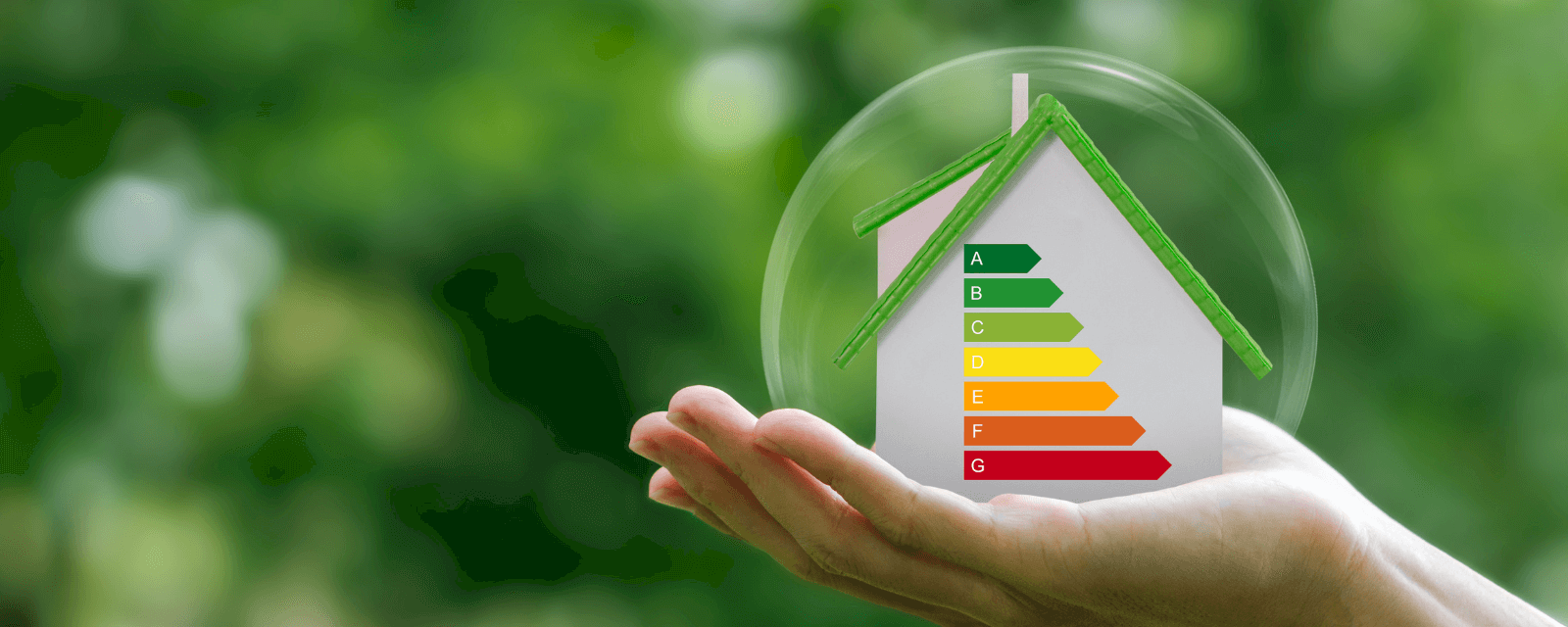
- The enhancement of real estate assets: a property rated A or B in energy performance sells more easily and at a better price.
Main energy renovation works in Switzerland
Energy renovation encompasses a wide range of interventions. For construction companies, this involves cross-disciplinary expertise and the ability to respond to diverse projects. Among the most requested:
1. Thermal insulation of buildings
- Insulation of roofs and facades.
- Replacement of windows with high-performance double or triple glazing.
- Treatment of thermal bridges.
2. Heating and energy production
- Installation of air-water or geothermal heat pumps.
- Replacement of old oil or gas boilers.
- Implementation of more efficient central heating systems.
3. Ventilation and air quality
- Installation of controlled mechanical ventilation (CMV) systems.
- Optimization of air circulation to limit heat loss.
4. Renewable energies
- Installation of photovoltaic or thermal solar panels.
- Coupling with storage batteries.
- Integration of hybrid solutions (heat pump + solar).
A promising market for construction companies
Energy renovation represents a true driving force for the building sector. It creates demand for:
- General construction companies capable of coordinating multiple trades.
- Specialized craftsmen
- Engineers and design offices, essential for conducting precise energy audits.
According to several studies, the energy renovation market could double by 2030, supported by political will and financial incentives.
Available aids and subsidies in Switzerland
One of the major levers of this market is public support. Switzerland offers several incentive schemes to encourage energy renovations:
- Building Program: cantonal and federal grants for insulation and energy improvement.
- Subsidies for renewable energies: installation of solar panels or heat pumps.
- Tax deductions: investments related to energy performance can be deducted from taxes.
- Green loans and financing: facilities offered by certain banks for projects that meet ecological standards.
Challenges and prospects for construction
While opportunities are abundant, the sector must also face certain challenges:
- Shortage of skilled labor in energy efficiency-related trades.
- Administrative complexity in obtaining certain subsidies.
- Coordination of projects, often multidisciplinary.
However, these challenges also pave the way for new solutions: digitalization of project monitoring, specialized training, and the rise of general contracting companies across all trades.
Avenir Rénovations continues its development and confirms its role as a key player in the energy transition
At Avenir Rénovations, we believe that energy renovation is an essential lever to meet the environmental and economic challenges of the building sector. That is why we put all our expertise at the service of our clients.
You are looking for a network of ...