

Why choose Avenir Renovations?
Why hire a professional plasterer in French-speaking Switzerland
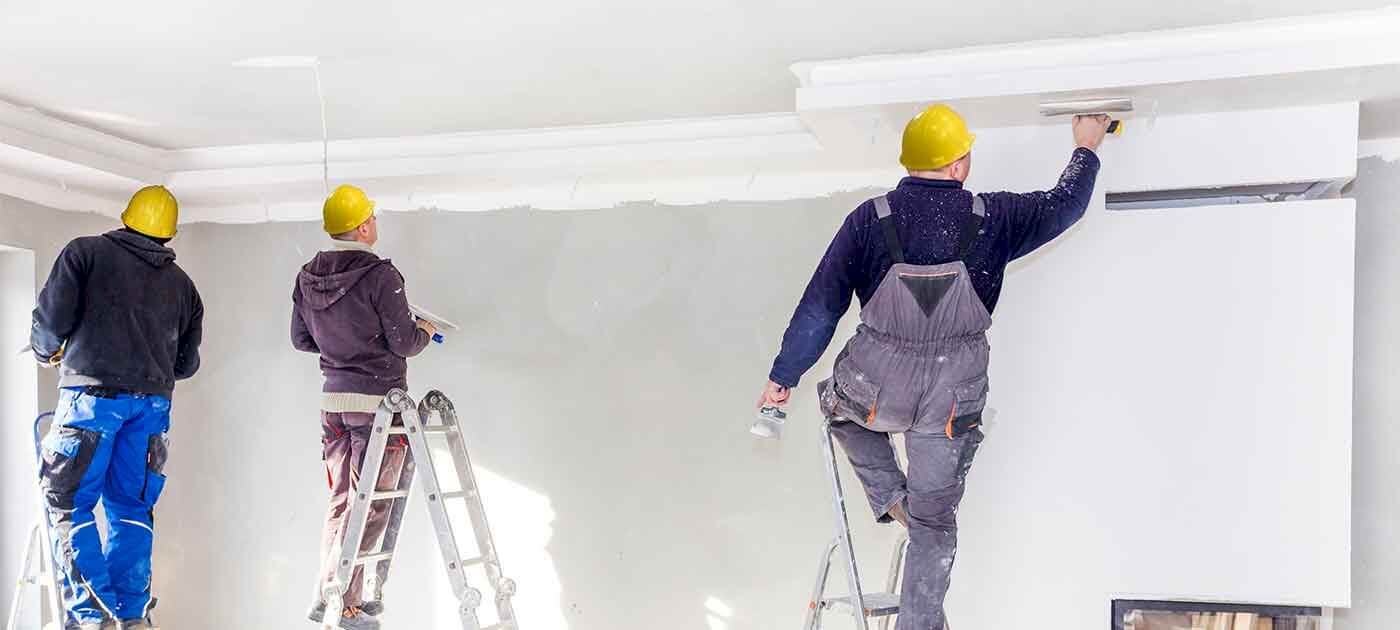
A plasterer does not just apply a coating. Their intervention ensures the flatness of surfaces, their durability over time, and their aesthetics. Hiring an expert allows you to benefit from technical know-how, suitable tools, and finishes that meet Swiss standards.
An aesthetic and uniform finish
A professional plasterer ensures perfectly smooth and homogeneous surfaces, ready to receive paint or wallpaper. Mastery of techniques and choice of materials guarantee a neat and durable finish, essential for the success of your interior decoration.
Increased durability of surfaces
Plastering is not only about visual appearance. It also enhances the strength of walls and ceilings by creating a protective layer. This reduces the risk of cracks, peeling, and moisture, thus prolonging the longevity of your fittings.
A gain in time and efficiency
Hiring a specialist saves you tedious and time-consuming work. Thanks to their experience and equipment, the plasterer performs precise and quick work, minimizing delays and ensuring a flawless result from the first application.
Steps of a plastering project in French-speaking Switzerland
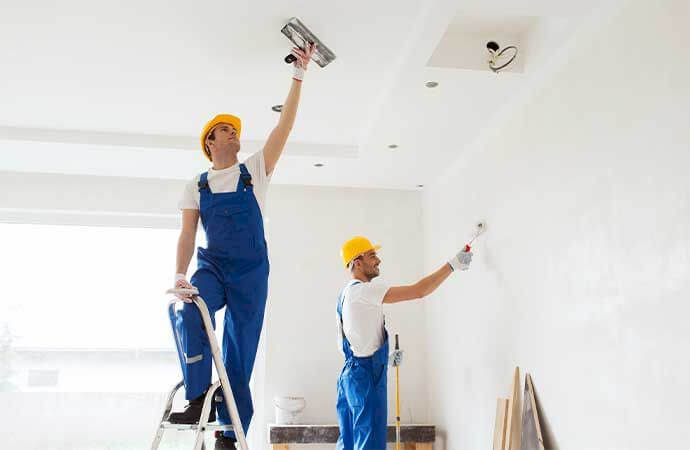
Achieving quality plastering requires a rigorous methodology and mastered know-how. At Avenir Rénovations, each intervention follows a precise process designed to ensure an impeccable aesthetic result and optimal durability. This methodical organization allows us to meet deadlines, limit unforeseen events, and deliver a result that meets the highest expectations.
Different types of plastering
Every renovation or construction project requires a tailored approach. The choice of plastering type depends on the surface, the room's use, and the desired finish. Our teams in the Romandy region of Switzerland master all techniques.
This technique involves applying a plaster or lime-based coating directly onto the masonry. It provides a perfectly smooth surface while improving the acoustic and thermal insulation of the rooms.
Sprayed plastering is done using a machine that applies the coating under pressure. Ideal for large surfaces, it allows for significant time savings while ensuring a consistent and uniform application.
Beyond its functional aspect, decorative plastering allows for the creation of personalized visual effects. Textured finishes, integrated shades, or light reliefs give a unique character to your interior while maintaining the technical qualities of the substrate.
How much do plastering works cost in French-speaking Switzerland?
| Type of service | Price per m² (CHF) | Average total price (CHF) |
| Traditional plastering | 45 – 65 | 4,500 – 6,500 |
| Sprayed plastering | 40 – 55 | 4,000 – 5,500 |
| Decorative plastering | 55 – 80 | 5,500 – 8,000 |
| Textured finishes | 50 – 75 | 5,000 – 7,500 |
| Waterproofing treatment | 20 – 35 | 2,000 – 3,500 |
These prices include surface preparation, material supply, labor, and final inspection. A precise estimate is established based on dimensions, the condition of the supports, and the chosen finishes.
The materials used by our plasterers
The choice of materials directly influences the quality and durability of the plastering. Avenir Rénovations prioritizes certified products that meet Swiss standards and are environmentally friendly.
Plaster
Plaster is the most commonly used material for interior plastering. It provides a smooth finish, excellent adhesion, and good moisture regulation. It is the ideal solution for most dry rooms.
Lime
Lime is valued for its breathable properties and resistance to moisture. It is particularly suitable for old buildings or rooms subject to humidity variations, while providing a warm and natural appearance.
Ready-to-use coatings
These modern products facilitate application and reduce drying times. They offer various finishes and can be adapted to specific substrates such as drywall or concrete walls.
Additional options and finishes
In addition to standard plastering, Avenir Rénovations offers several options to customize or optimize the final result. These solutions adapt to the technical constraints and aesthetic requirements of each project.
Textured finishes
Textured finishes add relief and character to your walls or ceilings, while providing a unique and personalized look. They can also effectively mask certain irregularities in the substrate, thus reducing heavy preparation work. This type of finish is ideal for creating a warm and original atmosphere in your rooms.
Integration of shades
It is possible to directly incorporate a color into the coating, eliminating the need to apply paint afterward. This technique ensures a uniform and durable finish, with a shade perfectly integrated into the material. Additionally, it saves time on site while reducing costs related to finishing work.
Water-repellent treatments
In humid environments such as bathrooms or kitchens, a water-repellent treatment can be added to improve the plastering's resistance to water and steam. This protection prevents the appearance of mold, damage related to moisture, and extends the lifespan of surfaces. It is a relevant investment to maintain the quality of your walls and ceilings in the long term.
Regulations applicable to plastering work in French-speaking Switzerland
In French-speaking Switzerland, even though plastering is often seen as a purely aesthetic finish, it falls within a specific regulatory framework when integrated into a construction or comprehensive renovation project. Understanding these requirements is essential to avoid any administrative blockages and ensure compliance with the work.
Municipal permits
In the case of new construction, plastering is included in the overall building permit issued by the municipality. However, for large-scale interior renovations, some municipalities require a prior declaration or authorization if the work affects the building's structure, thermal insulation, or exterior appearance. For example, exterior plastering on a facade often requires municipal validation, as it alters the appearance of the building.
Work in co-ownership
In co-ownership, any intervention on the ceilings of common areas (hallways, lobbies, staircases) requires the approval of the general assembly of co-owners. Even for private ceilings, it is recommended to inform the property manager, as some internal regulations impose constraints on work hours, material choices, or waste disposal.
Technical and environmental standards
Plastering work must comply with the standards of the Swiss Society of Engineers and Architects (SIA), ensuring the technical performance and safety of the coating. The materials must also meet environmental requirements, with strict limits on volatile organic compound (VOC) emissions. In some municipalities, the use of natural mineral coatings is encouraged to reduce ecological impact.
Expert Tips for Successful and Durable Plastering
Plastering is not just about applying a coating to a surface: it is a precision job that largely determines the final aesthetic of a room. An experienced professional follows strict protocols to ensure a uniform and lasting result.
Anticipating Environmental Constraints
Plastering reacts differently depending on the ambient temperature, humidity level, and ventilation of the room. Excess humidity slows down drying, promoting the appearance of micro-cracks. A professional knows how to adjust application and drying times to avoid these issues.
Selecting the Right Coating for the Use
The choice of material is crucial. In humid areas like bathrooms, water-repellent coatings based on cement or treated plaster are preferred. In living rooms or bedrooms, a finer finishing coat allows for a perfectly smooth surface ready for painting.
Prioritizing Thorough Preparation
Before any application, the surface must be perfectly clean, dry, and stable. Cracks are filled, old friable layers are removed, and a bonding primer is applied. This preparation directly affects the durability of the plastering over time.
Maintenance and Longevity of Professional Plastering
A quality plastering job, done according to the rules of the art, can maintain its original appearance for several decades. However, like any finish, it requires regular maintenance and sometimes corrective interventions.
Proper Cleaning
Regular dusting with a dry cloth or a vacuum cleaner equipped with a soft brush helps keep plastered surfaces clean. Localized stains can be removed with a slightly damp sponge, avoiding excessive rubbing.
Targeted Repairs
In case of small chips or superficial cracks, localized touch-ups with a compatible coating can quickly restore visual continuity. For more significant damage, it is recommended to involve a professional to avoid differences in texture.
Moisture Prevention
In areas prone to condensation, applying a water-repellent treatment or installing suitable ventilation helps extend the lifespan of the plastering and prevent mold.
FAQ on Plastering in French-speaking Switzerland
Is a permit required for plastering work in Switzerland?
Generally, interior plastering does not require a permit. However, if the work is part of a larger project that modifies the structure, insulation, or exterior appearance of the building, municipal authorization may be necessary.
What is the lifespan of plastering done by a professional?
Properly applied and maintained plastering can last between 25 and 40 years, depending on the environment and type of coating used. Interventions in controlled conditions significantly extend this duration.
Can you plaster directly onto an old wall?
Yes, but provided that the substrate is sound, dry, and stable. Careful preparation, including the removal of friable parts and the application of a primer, is essential to ensure adhesion.
Does plastering contribute to thermal or acoustic insulation?
Although plastering alone is not an insulator, it can incorporate additives that slightly improve thermal or acoustic performance. For significant gains, it should be combined with appropriate insulation.
How long should you wait before painting new plastering?
Depending on the type of coating and climatic conditions, the complete drying time varies from 7 to 21 days. Painting applied too early risks degrading quickly.
Avenir Rénovations expertise for your plastering work
At Avenir Rénovations Suisse, we consider plastering to be much more than just a decorative step. It is a demanding finishing work that contributes to the aesthetic quality, comfort, and durability of your interior.
Our plasterers, trained in the latest techniques and compliant with Swiss standards, work on both new construction sites and renovations. We guarantee impeccable results, optimized deadline management, and personalized support at every stage.
We operate throughout the French-speaking part of Switzerland, covering Geneva, Vaud, Neuchâtel, Fribourg, Valais, and Jura. Each project benefits from a transparent quote, a rigorous selection of materials, and quality monitoring until final acceptance.