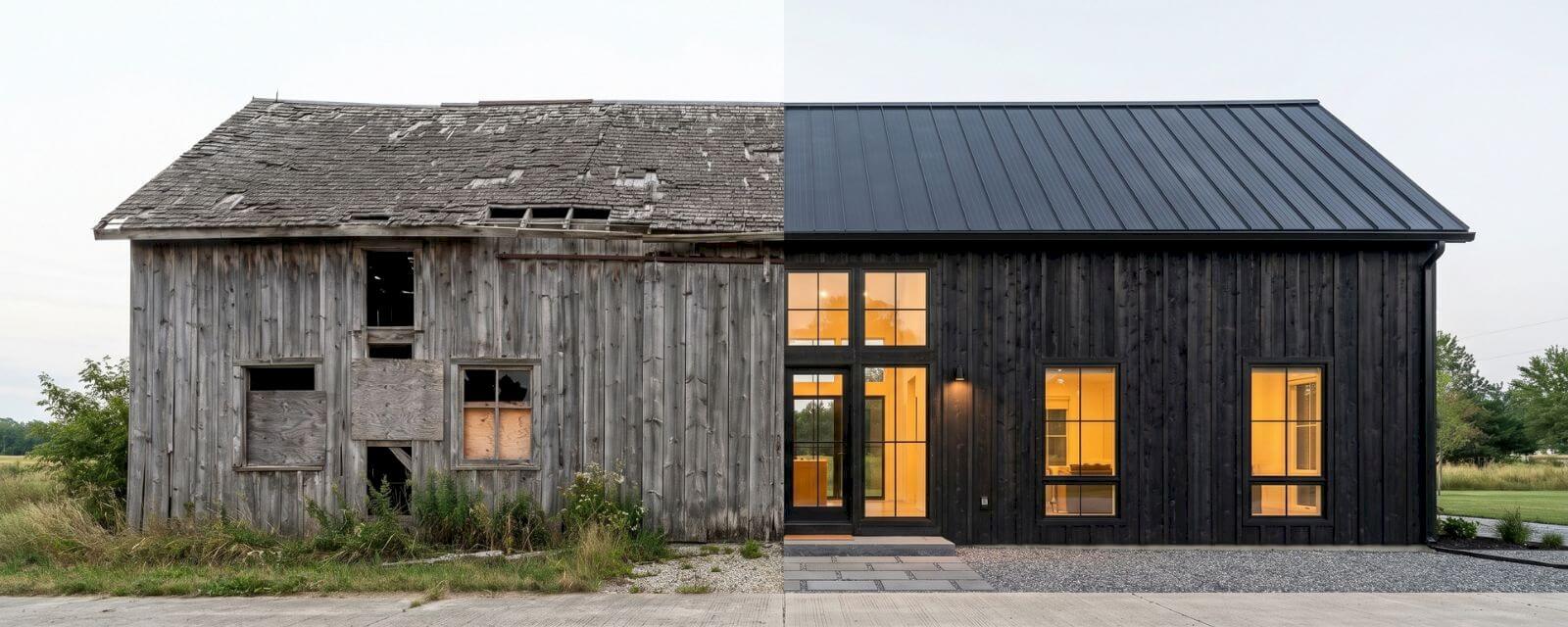
In Switzerland, old houses represent a real reservoir of activity for renovation professionals. According to the Federal Statistical Office, more than seven out of ten buildings were constructed before 1991. A large part of the real estate stock therefore needs to be adapted to current requirements for comfort, energy performance, and usage.
For a building contractor, this market offers varied and often comprehensive projects. Mastering the constraints of existing structures allows for the development of a sustainable local business and becoming a trusted partner.
A real estate stock that generates sustainable needs
An old house often retains sought-after qualities: location, volume, architectural charm, or potential for expansion. However, it may present insufficient insulation, aging heating systems, outdated technical installations, or an interior layout that no longer corresponds to current lifestyles.
These characteristics create needs at several levels:
- roof, facade, or floor insulation;
- replacement of windows and heating systems;
- improvement of ventilation;
- renovation of the kitchen and bathroom;
- redistribution of rooms or opening of spaces;
- transformation of attics, basements, or outbuildings;
- roof renovation and addressing moisture issues.
An initial request may reveal other priorities and lead to a phased renovation. This continuity benefits companies capable of offering a comprehensive vision.
Projects with higher added value
In older properties, owners rarely seek a simple executor. They need assistance in prioritizing work, understanding the constraints of the building, and defining a realistic budget. The contractor who provides this clarity builds trust from the very first meeting.
Comprehensive renovation also involves several trades: masonry, carpentry, roofing, insulation, heating, electricity, plumbing, woodworking, and finishing. The ability to coordinate these interventions allows for the management of larger projects and prevents the client from having to deal with multiple contacts.
This positioning also encourages recommendations: a well-organized site reassures owners facing the uncertainties of older properties.
Technical expertise, a true selling point
The potential of this market comes with points of vigilance. Before estimating costs, it is essential to check the condition of the structure, roof, floors, and systems. Capillary rise, infiltrations, or ventilation defects must be identified before proceeding with finishes.
The potential presence of asbestos is a major concern. In Switzerland, any building constructed before 1990 may contain it. An analysis of the materials involved must be planned before renovation or demolition work. Anticipating this risk protects the workers, secures the schedule, and avoids late discoveries on site.
The authorization rules also vary by canton and municipality. A façade modification, a new opening, an extension, or an intervention on a protected building may require specific procedures. The ability to integrate these constraints into the schedule becomes a differentiating factor.
Energy renovation supports demand
The real estate stock represents a significant portion of Swiss energy consumption. Improving existing buildings remains a central issue. The Building Program supports, according to cantonal rules, certain interventions related to energy efficiency and renewable energies.
For the contractor, subsidies can facilitate the owner's decision. However, they should never be presented as guaranteed. The right reflex is to direct the client to the competent authorities, check the applicable conditions, and remind that applications generally must be submitted before the start of the work.
A coherent approach remains essential: replacing heating without addressing major heat losses, or insulating without adapting ventilation, can limit results. The professional who knows how to explain the order of work transforms their technical expertise into a commercial argument.
How to develop your business in this market?
To sustainably capture renovation projects for old houses, several practices are effective:
- offer a complete technical visit before the estimate;
- distinguish urgent work from medium-term improvements;
- present several budget scenarios or a phasing;
- build a local network of qualified craftsmen;
- communicate on before/after achievements and concrete cases;
- ensure regular follow-up until project completion.
Knowing the local building, municipal rules, and industry professionals also enhances the company's credibility.
Starting a renovation business with Avenir Rénovations Suisse
The old house market requires solid organization and the ability to manage multiple trades. With Avenir Rénovations, the franchisee operates as a Works Manager and supports their client from project analysis to completion.
They rely on digital tools, methods, training, and a network of partner companies to structure their activity. This model allows them to respond to requests for interior renovation, energy renovation, home extension, or overall transformation with a single point of contact.
Do you want to start a sustainable business in Switzerland? Join Avenir Rénovations and develop an activity dedicated to renovation projects across all trades.