
Why choose Avenir Renovations?
Why insulate the walls of your house
Effective wall insulation offers multiple advantages. It significantly reduces energy losses, improves indoor comfort, and contributes to the property value of your asset. In Switzerland, where winters can be harsh, this improvement translates into substantial heating savings.
Reduce thermal losses
Walls account for up to 25% of a building's heat loss. Therefore, effective insulation is an essential lever to limit energy expenses and improve the overall performance of your home.
Improve indoor comfort
By limiting temperature fluctuations, wall insulation helps maintain a pleasant atmosphere in all seasons. Interior walls are warmer in winter and remain cool in summer.
Enhance your property value
A well-insulated home benefits from a better energy rating and becomes more attractive on the real estate market. This can be a decisive argument in case of resale.
Steps of a wall insulation project in French-speaking Switzerland
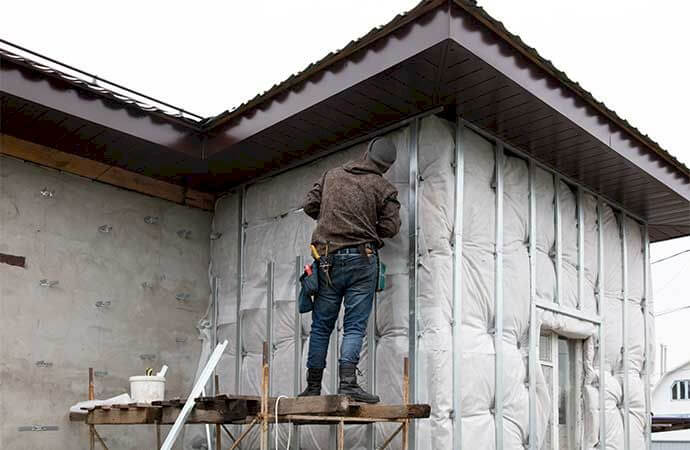
At Avenir Rénovations, each project follows a rigorous process to ensure an optimal result that complies with local regulations.
The different wall insulation techniques
Depending on the configuration of your building and your goals, two main methods are possible: external insulation (ITE) and internal insulation (ITI). Each has its own strengths and constraints.
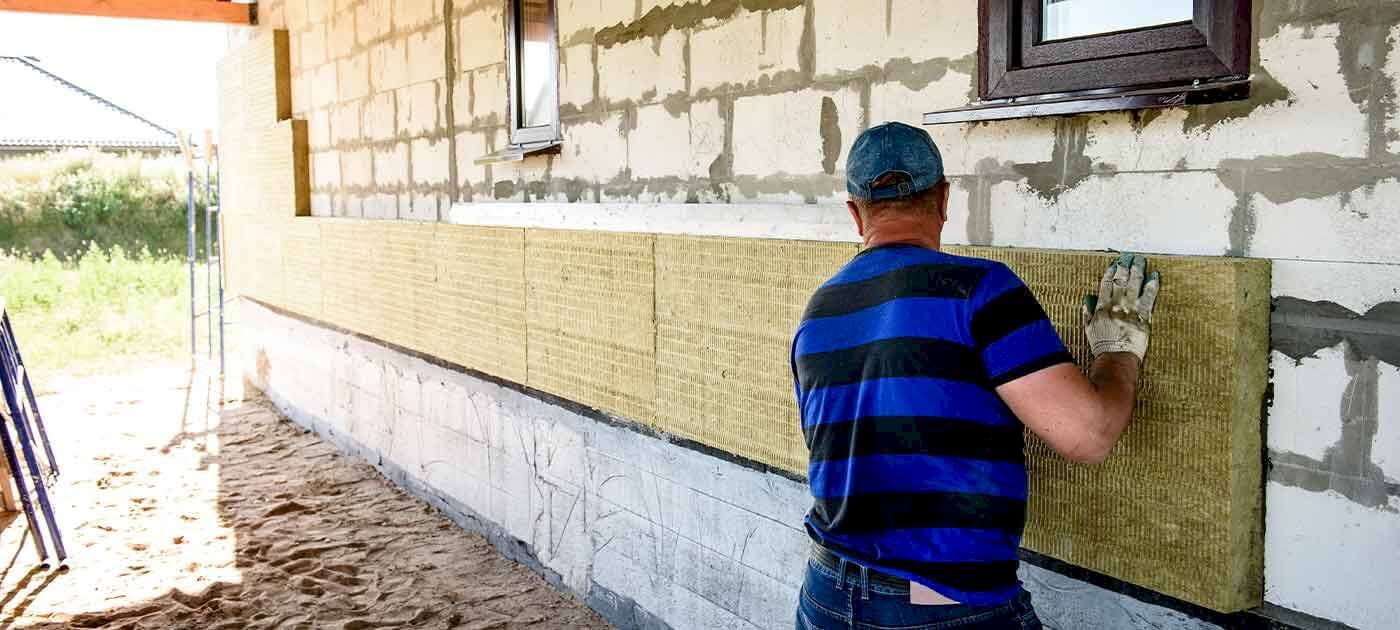
This technique involves wrapping the building in an insulating layer applied to the facades, then covered with a coating or cladding. It eliminates almost all thermal bridges and does not encroach on the interior living space. ITE is ideal for comprehensive facade renovations.
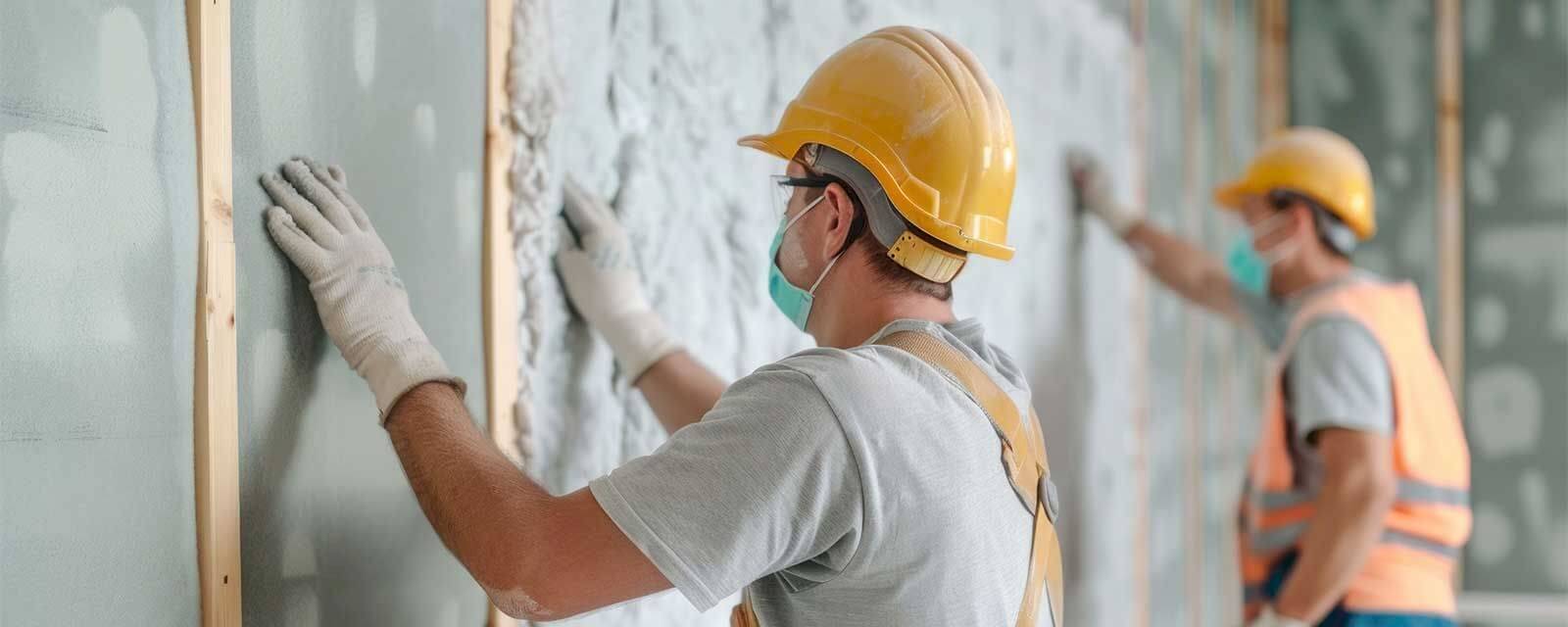
ITI involves applying insulating materials to the interior walls, usually covered with a plasterboard facing. This method is often more economical to implement and does not alter the exterior appearance of the building, but it slightly reduces the living space.
How much do wall insulation works cost in French-speaking Switzerland
The cost of wall insulation mainly depends on the chosen technique (ITE or ITI), the type of insulation, the surface to be treated, and the desired finishes. Here is an indicative estimate of the average prices practiced in French-speaking Switzerland, including supply and installation by qualified professionals.
| Type of service | Price per m² (CHF) | Average total price for 100 m² (CHF) |
| External thermal insulation (EPS, coating) | 180 to 250 | 18,000 to 25,000 |
| External thermal insulation (wood cladding) | 220 to 300 | 22,000 to 30,000 |
| Internal thermal insulation (mineral wool, plasterboard) | 100 to 150 | 10,000 to 15,000 |
| Internal thermal insulation (bio-based insulators) | 120 to 180 | 12,000 to 18,000 |
| Thermal study and complete diagnosis | Package 800 to 1,200 | — |
These prices include the technical study, supply of materials, installation, finishes, adjustments, as well as labor and material warranty. A personalized quote is essential to know the exact cost of your project.
Insulating materials for walls
The choice of insulation material is crucial to ensure the performance and durability of the work. Several families of materials are available, each with specific characteristics.
Mineral wool
Glass wool and rock wool are widely used for wall insulation. They offer excellent thermal and acoustic performance, are non-combustible, and resistant to moisture.
Synthetic insulators
Expanded polystyrene (EPS) or extruded polystyrene (XPS) is lightweight, efficient, and water-resistant. These materials are commonly used for external thermal insulation (ETI), particularly in thin coating systems.
Bio-based insulators
Wood fiber, hemp, or cellulose wadding are effective ecological alternatives. They naturally regulate humidity and provide excellent summer comfort.
Advantages and disadvantages of ETI and ITI
It is important to know the strengths and limitations of each technique to make an informed choice.
Strengths of ETI
External insulation preserves the interior surface, eliminates most thermal bridges, and improves the aesthetics of the facade. It is particularly suitable during a renovation.
Limitations of ETI
External insulation (ETI) is generally more expensive and often requires prior administrative approval. It can be difficult to apply to classified, old, or architecturally specific facades.
Strengths of ITI
Internal insulation (ITI) is more economical and quicker to implement, especially in renovations. It preserves the external appearance of the building and does not always require complex administrative procedures.
Limitations of ITI
ITI slightly reduces the living space and may leave some thermal bridges. It is also less effective at protecting against heat in summer, unlike ETI.
Financial Assistance for Wall Insulation in French-speaking Switzerland
Several cantons and municipalities encourage energy improvement through subsidies. These aids are granted under certain conditions, including compliance with SIA standards and the execution of work by qualified professionals.
Cantonal Programs
The French-speaking cantons each have their own energy efficiency encouragement program. These subsidies can cover a significant part of the cost of the work.
Tax Deductions
Insulation work can, in certain Swiss cantons, be partially deducted from taxable income. This measure helps reduce the overall cost of the investment by improving the energy efficiency of the housing.
Regulations for Wall Insulation in French-speaking Switzerland
In French-speaking Switzerland, wall insulation work is governed by local standards and obligations. Requirements may vary depending on the canton and municipality, particularly based on the location of the building, its heritage value, and the type of work planned.
Administrative Authorizations
External insulation alters the appearance of facades and often requires municipal authorization. Processing times can range from a few weeks to several months depending on the complexity of the project.
Thermal Standards to Comply With
The work must comply with current SIA standards, which define the minimum insulation values (U-value). This ensures energy performance and compliance with national standards.
Work in Co-ownership
If the building is subject to a condominium (PPE), the agreement of the assembly of co-owners is required before any work begins. Interior insulation in an individual housing unit is generally easier to authorize.
Respect for Built Heritage
For classified buildings or those located in protected areas, interventions must comply with architectural prescriptions. Certain finishes or materials may be mandated by the authorities.
FAQ on Wall Insulation in French-speaking Switzerland
Is a permit required to insulate walls from the outside in Switzerland?
In most cases, authorization is required, as external insulation alters the exterior appearance of the building. The application must be submitted to your municipality's urban planning department before work begins.
What is the lifespan of wall insulation?
Well-executed wall insulation can last from 30 to 50 years, depending on the quality of materials and installation. Regular maintenance of facades extends its performance over time.
Is interior insulation less effective than exterior insulation?
If properly installed, interior insulation offers good thermal performance. However, it does not address all thermal bridges and generally provides lower summer comfort compared to external insulation.
Can walls made of stone or old concrete be insulated?
Yes, but a prior study is essential to prevent moisture risks. Breathable or natural insulators are often recommended to respect the breathability of old walls.
Are there financial aids for wall insulation?
Yes, several Swiss cantons offer subsidies as part of energy renovation programs. Tax deductions can also reduce the overall cost of the project.
Does external insulation increase the thickness of walls?
Yes, external insulation typically adds between 10 and 20 cm of thickness depending on the insulation used. This constraint must be taken into account, especially for balconies, openings, or property boundaries.
Well-insulated walls mean more comfort and lower energy costs
Insulating the walls of your home in the French-speaking part of Switzerland is a strategic investment that enhances your comfort, reduces your energy bills, and increases your property's value. Whether you choose external or internal insulation, the quality of the implementation is crucial to ensure long-term performance.
Avenir Rénovations offers its expertise and qualified craftsmen to design and implement custom insulation tailored to your building and compliant with local regulations. We operate throughout the French-speaking part of Switzerland, including Geneva, Vaud, Neuchâtel, Fribourg, Valais, and Jura.
For a free and personalized quote, contact our team today and benefit from comprehensive support, from thermal diagnostics to the installation of insulation materials.