

Why choose Avenir Renovations?
Why insulate your roof in the French-speaking part of Switzerland
A poorly insulated roof can lead to up to 30% heat loss. In a climate subject to significant seasonal variations like in the French-speaking part of Switzerland, enhancing insulation allows for energy savings while preserving the environment.
Reduction of thermal losses
Insulation limits heat transfer between the inside and outside, reducing heating needs in winter and cooling needs in summer. A well-insulated house maintains ambient temperature better, sustainably lowering energy bills.
Improvement of indoor comfort
An insulated roof provides a uniform warmth in winter and prevents overheating in the attic in summer. This contributes to better well-being for occupants, regardless of the season.
Enhancement of property value
A property with a properly insulated roof benefits from better energy performance, increasing its market value. Buyers and renters are sensitive to low energy costs.
Contribution to the energy transition
Roof insulation is part of an eco-responsible approach, reducing CO₂ emissions related to energy consumption. In Switzerland, this is often accompanied by subsidies and financial aid.
Steps of a roof insulation project in the French-speaking part of Switzerland
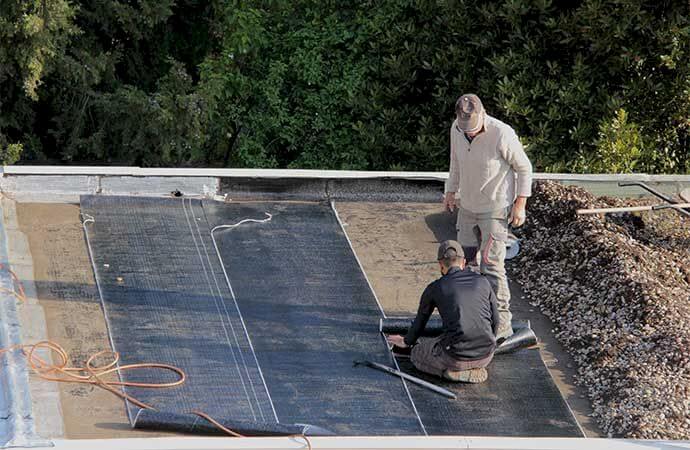
To ensure the success of your project, Avenir Rénovations follows a structured process, from the initial analysis to the finishing touches.
The different roofing insulation techniques
Depending on the configuration of your home and your needs, several insulation methods are possible. Each has specific advantages that Avenir Rénovations helps you evaluate.
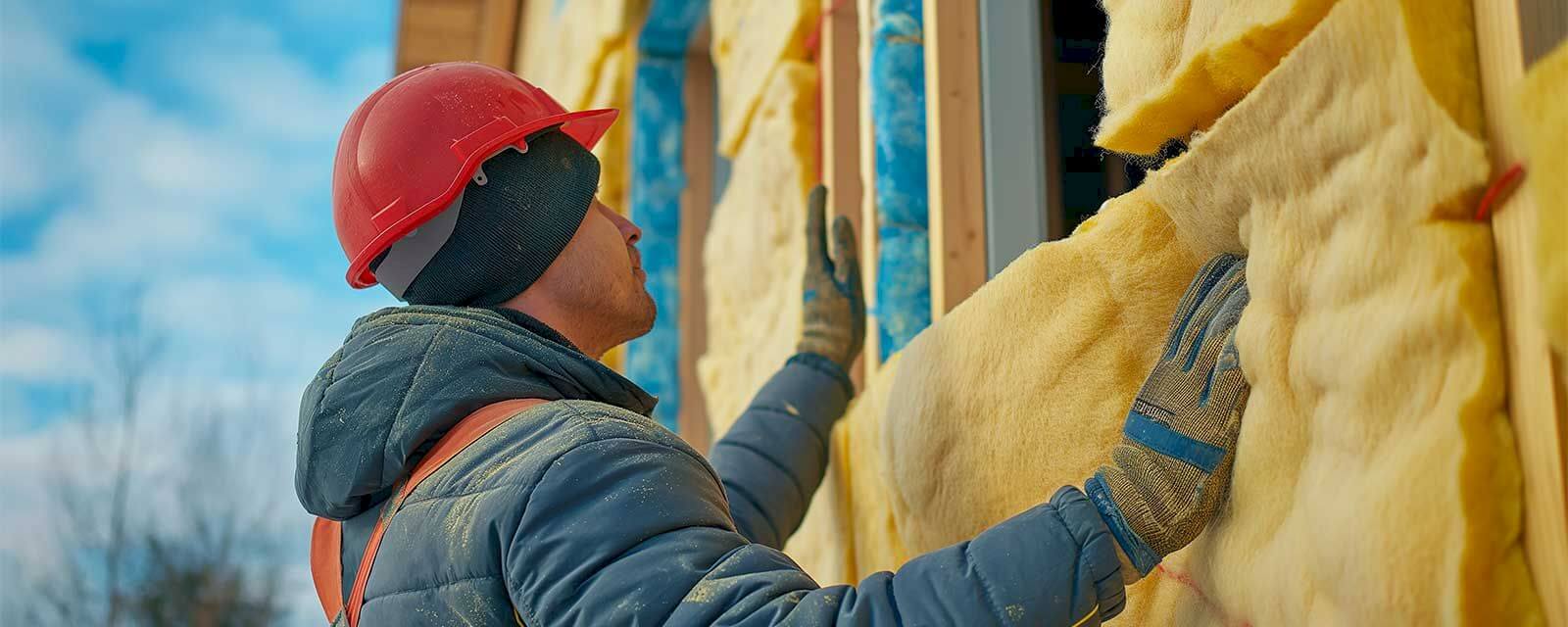
This solution involves installing insulating material under the roof covering, on the interior side. It is particularly suitable during an attic renovation and helps to limit costs while preserving the building's exterior appearance.
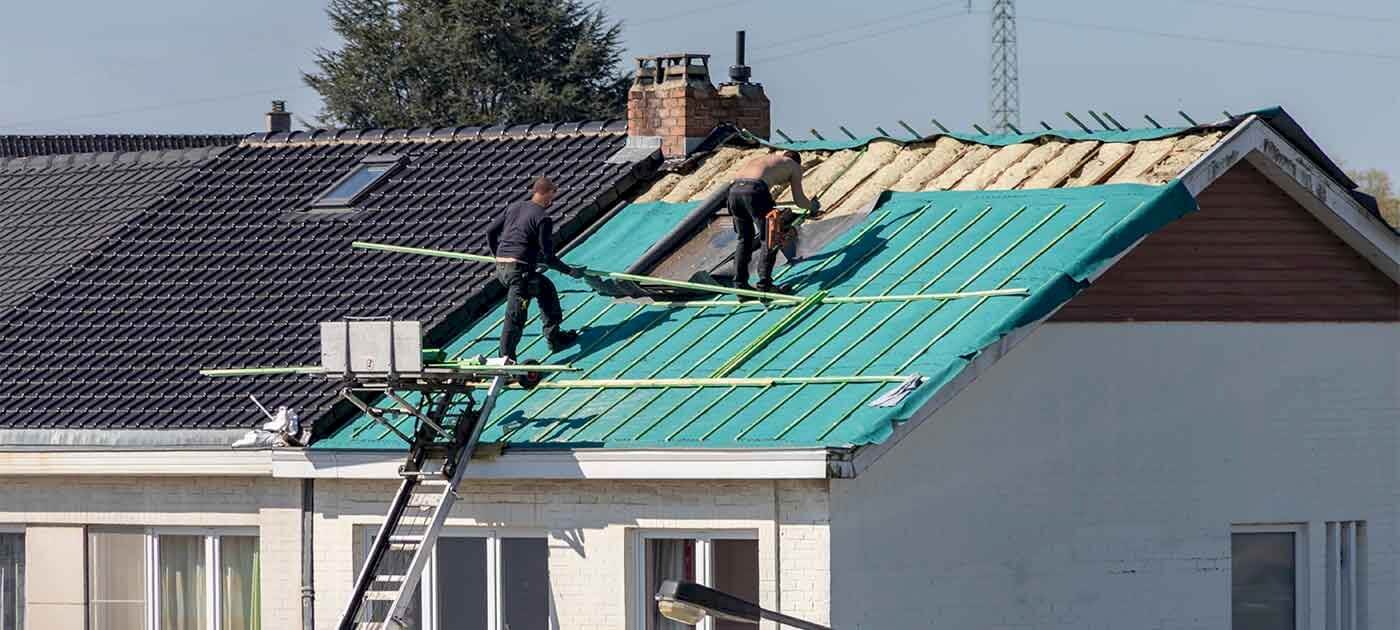
Also known as sarking, this method involves placing insulation above the framework, under the roof covering. It is ideal for preserving living space and achieving continuous insulation without thermal bridges.
When the attic is not converted, insulating the attic floor is a cost-effective and efficient option. It can be done by blowing insulation or installing insulating panels.
For flat roofs, specific insulation is implemented, often by installing rigid insulating panels. This technique ensures both waterproofing and thermal performance.
How much do roof insulation works cost in the French-speaking part of Switzerland
The cost of roof insulation varies depending on the technique used, the type of insulation, the area to be treated, and the complexity of the site. In the French-speaking part of Switzerland, prices are calculated per square meter and generally include supply, installation, and finishing.
| Type of service | Price per m² (CHF) | Average total price (CHF) |
| Insulation of lost attics | 45 to 65 | 3,000 to 6,500 |
| Insulation from the inside | 80 to 120 | 6,000 to 12,000 |
| Insulation from the outside (sarking) | 140 to 200 | 12,000 to 20,000 |
| Flat roof insulation | 120 to 180 | 10,000 to 18,000 |
These rates include the technical study, supply of insulating materials, labor, implementation, finishing, as well as a compliance check. A personalized quote is essential to account for the specifics of each project.
Insulating materials for roofs
The choice of insulating material is crucial to ensure optimal performance. It must combine low thermal conductivity, durability, and adaptation to the existing structure.
Mineral wool
Glass wool and rock wool offer excellent value for money. They provide effective thermal and acoustic insulation, are fire-resistant, and easy to install.
Synthetic insulators
Extruded polystyrene (XPS) and polyurethane (PUR) offer excellent thermal performance for a low thickness. They are particularly suitable for flat roofs.
Natural insulators
Hemp, wood fiber, and cellulose wadding are valued for their low ecological impact. They provide good thermal insulation while effectively regulating humidity inside buildings.
Sandwich panels
These panels combine an insulator sandwiched between two rigid layers. They facilitate quick installation, ensure continuous insulation, and enhance the structure's strength.
Regulations for Roof Insulation in French-speaking Switzerland
In Switzerland, insulating a roof is often subject to specific regulatory requirements. These aim to ensure the safety, aesthetics, and energy performance of buildings.
Municipal Authorization
In many municipalities, authorization is required for work that modifies the exterior appearance of the roof. This particularly concerns external insulation which may alter the height of the building.
Compliance with Thermal Standards
Switzerland imposes strict energy standards defined by the SIA 380/1 standard. They determine the maximum U-value that must not be exceeded for roofs to reduce thermal losses.
Work in Co-ownership
If the building is in condominium ownership (PPE), the agreement of the co-ownership is mandatory before undertaking roof insulation. Internal rules may also impose certain materials or finishes.
Assistance and Subsidies
Many cantons offer financial assistance to encourage roof insulation. These subsidies are conditioned on compliance with specific technical criteria and must be requested before the start of the work.
FAQ on Roof Insulation in French-speaking Switzerland
Is a permit always required to insulate a roof in Switzerland?
For internal insulation, no permit is generally required. However, external insulation or any visible change to the roof often requires prior municipal authorization.
What is the lifespan of roof insulation?
Roof insulation can maintain its effectiveness for 30 to 50 years, depending on the quality of materials and installation. Regular monitoring and proper maintenance extend this duration while ensuring good thermal performance.
Can a roof be insulated without removing the covering?
It is possible to insulate a roof without removing the covering using methods such as blowing insulation into the attic. However, certain techniques, like sarking, require the complete removal of the existing covering.
Does roof insulation help reduce the energy bill?
Effective insulation significantly reduces heat loss, by about 30%. This improvement translates into a notable decrease in heating consumption and associated energy costs.
What thickness of insulation should be planned?
The recommended thickness varies depending on the type of insulation and the desired thermal resistance. Generally, a layer between 20 and 30 cm is necessary to meet Swiss standards.
Does roof insulation improve acoustic comfort?
Some insulations, such as rock wool or wood fiber, have excellent sound absorption qualities. They effectively reduce external noise, particularly from rain, thus improving indoor comfort.
Save energy from the roof – insulate with Avenir Rénovations Suisse
Roof insulation is a strategic investment to improve the thermal and acoustic comfort of your home, reduce your energy bills, and enhance your property value. In the French-speaking part of Switzerland, Avenir Rénovations provides you with a team of experts who can advise you on the best solution for your situation and carry out your work in compliance with standards.
We operate throughout the Romandy region, including Geneva, Lausanne, Nyon, Fribourg, Neuchâtel, Sion, and the Jura. Benefit from tailored support, a free estimate, and the guarantee of a lasting result.