In Switzerland, high temperatures can quickly turn a house or apartment into a true furnace. Rooms under the eaves, highly glazed homes, or those facing directly south are particularly exposed.
However, air conditioning is not the only solution. By acting on the building envelope, openings, and air circulation, it is possible to maintain a pleasant temperature while limiting energy consumption.
Install exterior solar protections
Windows are one of the main sources of overheating. Once the sun's rays have passed through the glazing, the heat remains trapped in the room. Curtains and interior blinds reduce glare, but their effect on temperature remains limited.
Exterior protections block radiation before it reaches the glazing. Shutters, awnings, adjustable slat blinds, or sunshades can be chosen based on the orientation of the facade. Roof windows should also be equipped.
Strengthen roof insulation
The roof receives direct solar radiation for a large part of the day. If it is poorly insulated, heat spreads to the bedrooms and rooms located under the eaves.
Proper insulation slows this progression and stabilizes the indoor temperature. The choice of material also depends on its ability to delay the arrival of heat. A study of the roof can determine the most relevant solution, whether from the inside or outside.
Improve facade insulation
Exposed walls also store heat. Perimeter insulation forms a continuous envelope around the building and limits thermal exchanges. It also reduces thermal bridges and improves comfort throughout the year.
This type of renovation also allows for addressing facades and certain sealing defects. In older or protected buildings, the project must comply with local regulations and architectural constraints.
Better ventilate at the right time
During heatwaves, opening windows during the day lets in warm air. It is better to keep them closed when the outside temperature exceeds that of the home, then ventilate early in the morning, late in the evening, or during the night.
When the layout allows, cross ventilation between two opposite facades accelerates cooling. Well-designed mechanical ventilation ensures air renewal and humidity control. Its operation must be adapted to the needs of the home to avoid unnecessarily reintroducing heat.
Limit heat sources indoors
Electrical appliances, lighting, and cooking generate heat. During the hottest days, it is better to limit the use of the oven, turn off equipment left on standby, and favor energy-efficient appliances.
Fans do not actually cool the air, but the movement they create improves the feeling of comfort. They can therefore be a useful complement, with generally lower consumption than an air conditioning system.
Should you install air conditioning?
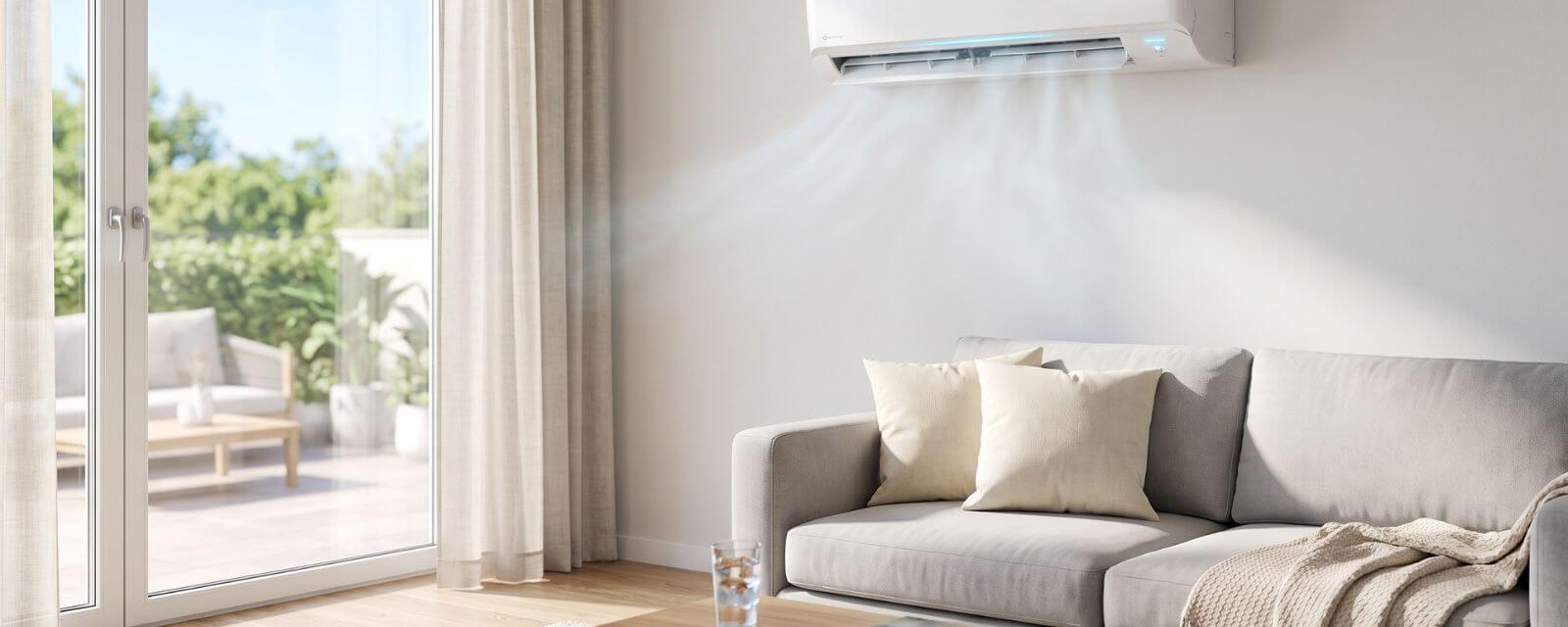
Air conditioning can be considered when passive solutions are insufficient. It must be properly sized. In a poorly protected home against the sun, it risks leading to high consumption without addressing the causes of overheating.
Possible assistance depending on your canton
Some energy improvement works, particularly envelope insulation, may benefit from the Building Program or cantonal and municipal schemes. Conditions and amounts vary depending on the project's location. Applications generally need to be submitted before work begins: it is therefore important to inquire in advance.
A comprehensive support with Avenir Rénovations Suisse
Improving summer comfort often requires combining several interventions. With Avenir Rénovations Suisse, you benefit from a single contact to analyze your home, define priority works, establish your quote, and coordinate the various professionals.
Your Project Manager follows the site until its completion and ensures the consistency of the implemented solutions. This way, you enjoy a more pleasant home during heatwaves, but also better protected from the cold in winter.
Do you want to sustainably improve the thermal comfort of your home? Contact Avenir Rénovations Suisse to discuss your project.