Free quote request
At Avenir Renovations, your quote is made by renovation professionals, it is 100% free and personalized even if we need to visit.
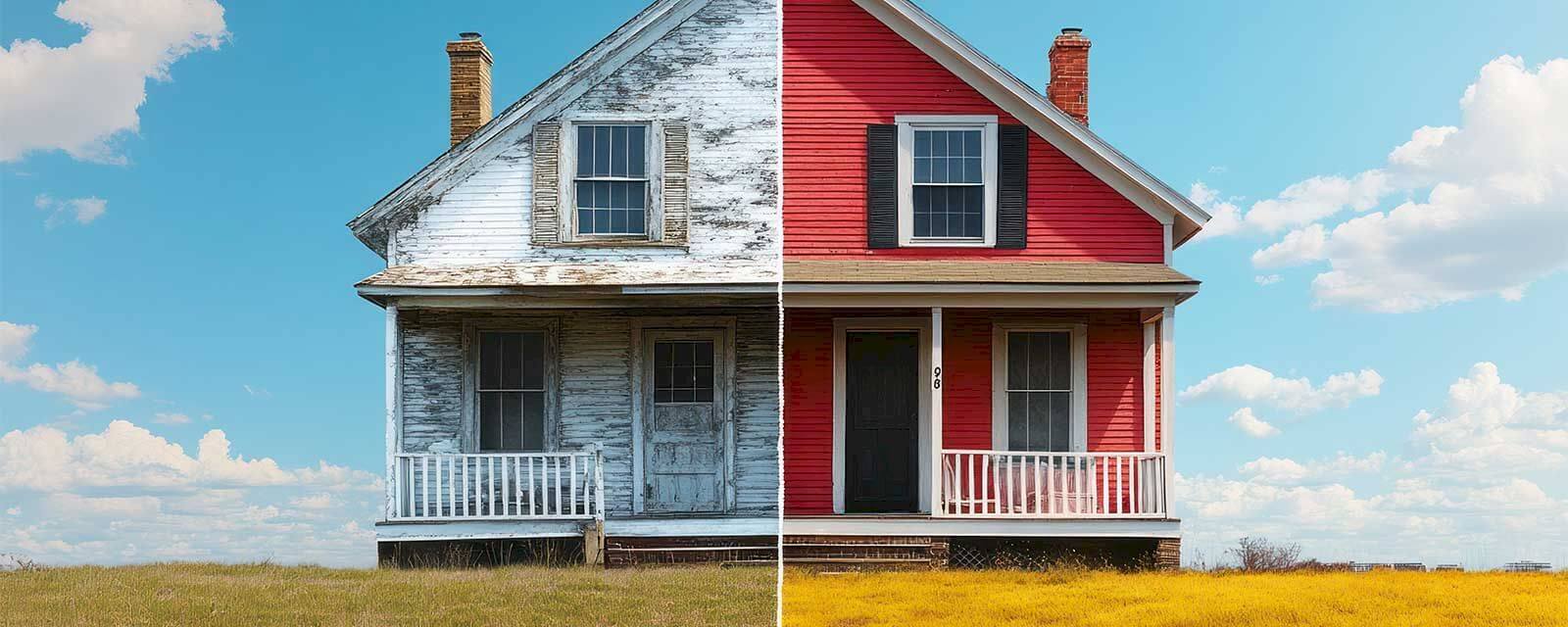
In Switzerland, real estate renovation is a central topic, both for apartment owners in the city and for those with houses in the countryside. Whether it is about modernizing a home, improving its energy comfort, or enhancing a property, the stakes vary greatly depending on whether one lives in an urban or rural area.
Indeed, the density of cities, architectural constraints, strict regulations, and higher costs make urban renovation very different from that carried out in a rural setting, where spaces are larger and rules are often more flexible.
In this article, Avenir Rénovations Switzerland guides you through the specifics of each context to help you better understand the differences, anticipate costs, and plan your work with peace of mind.
Real estate renovation is not limited to mere beautification. It is part of an essential economic, energy, and heritage dynamic for the future.
Renovating your property, whether located in a historic center or in an alpine village, helps preserve its value, or even increase it. In Switzerland, the real estate market is particularly demanding: a modernized home that meets energy standards sells more easily and at a higher price.
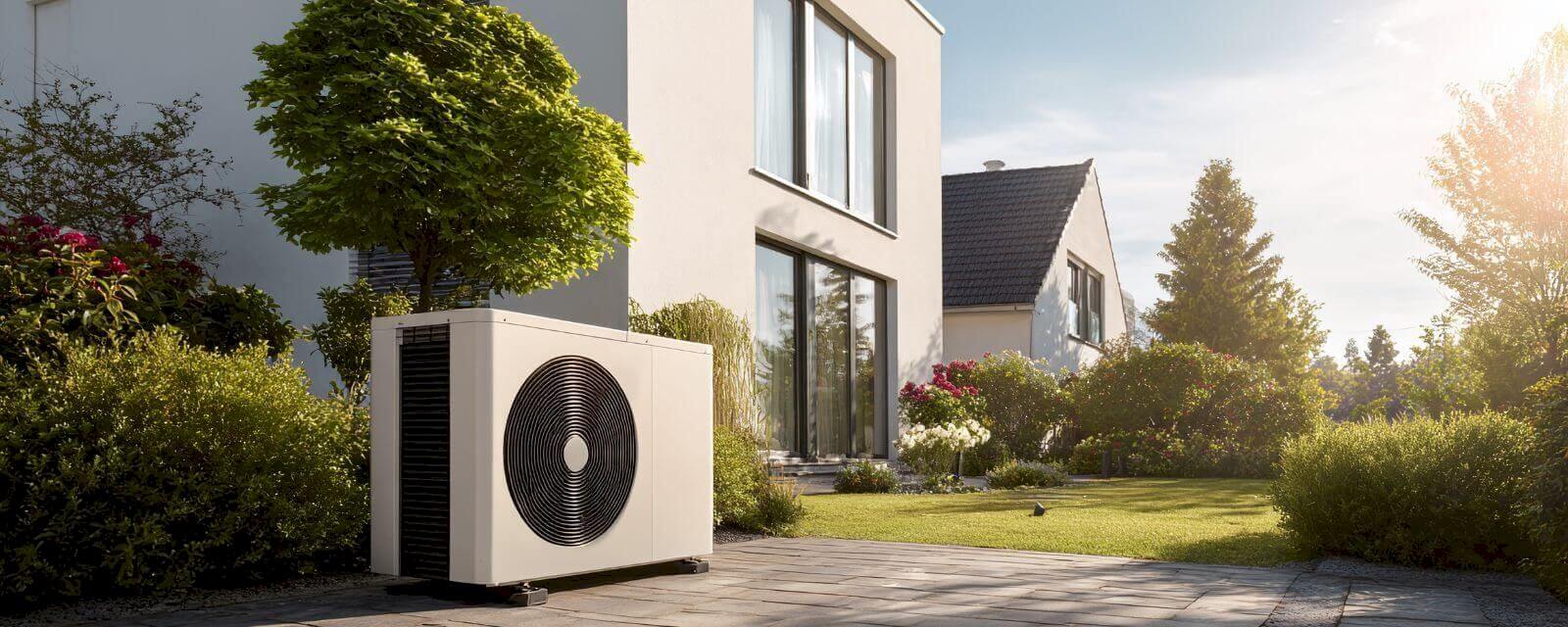
Energy renovations (insulation, window replacement, efficient heating) provide immediate comfort and significantly reduce bills. This applies to both urban apartments and rural houses, but technical solutions differ depending on the type of building and its environment.
Switzerland is a pioneer in energy and ecological standards (Minergie, CECB, etc.). Renovations often need to meet high standards. This represents an additional cost, but it is also a profitable long-term investment.
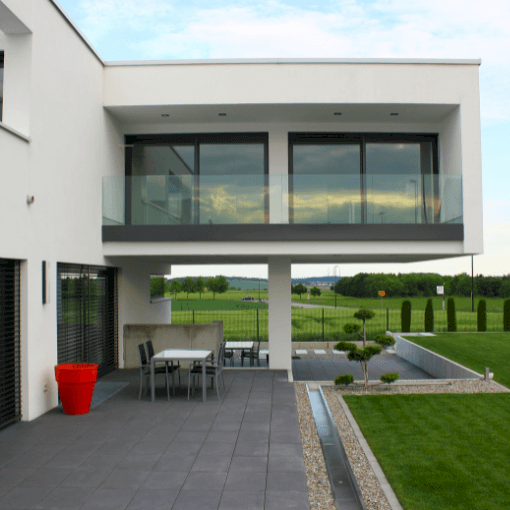
Renovation in urban environments is characterized by a set of constraints arising from density, strict regulations, and the architectural specifics of Swiss cities.
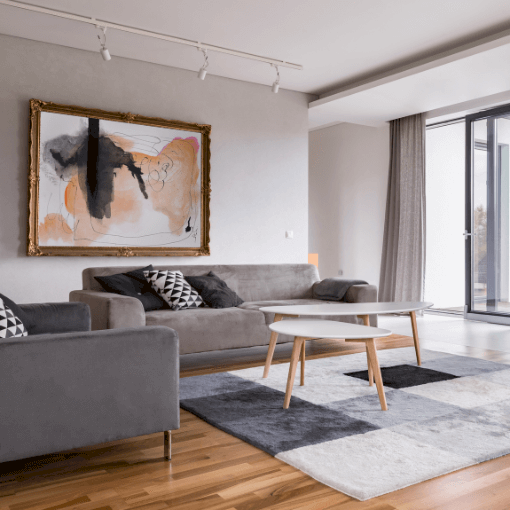
In the city, spaces are limited. Renovation often involves intelligent optimization of spaces: mezzanine layouts, open kitchens, custom storage solutions. Every square meter must be valued, requiring specific expertise.
In Geneva, Lausanne, or Fribourg, many buildings are classified or located in protected areas. Modifying a facade, changing windows, or even repainting an exterior requires strict permits. Renovations must respect the aesthetic and architectural history of the place.
Construction sites in urban areas are often governed by strict regulations to limit noise disturbances and respect the lives of co-owners. Working hours are restricted, and certain interventions require the agreement of the co-owners' assembly.
Labor is often more expensive in the city, storage rents are also higher, and administrative procedures take longer. The overall cost of urban renovation is generally higher than in the Swiss countryside.
In contrast, renovation in rural areas offers more flexibility and freedom, but also comes with its own challenges.
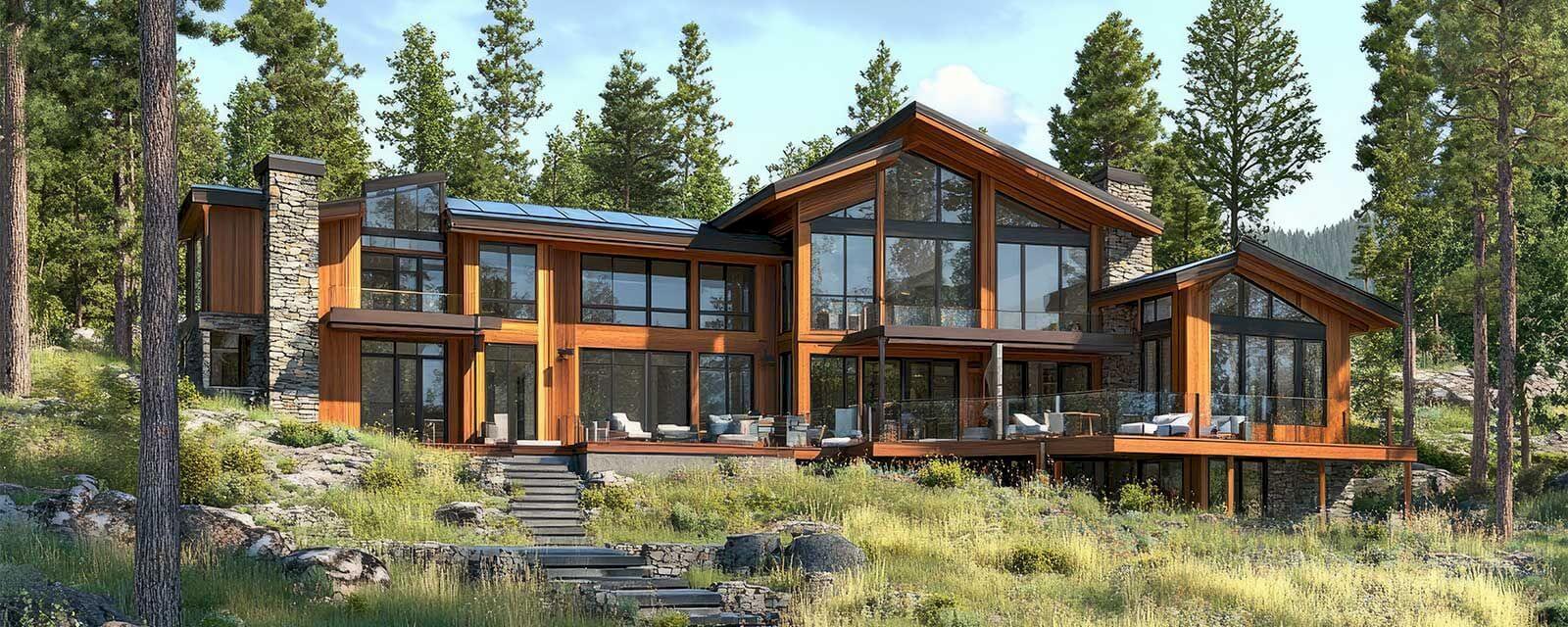
In villages, hamlets, or agricultural areas, owners often have more space. Renovation projects can include extensions, outdoor layouts, or even elevations. Architectural creativity is therefore more easily expressed.
Many Swiss farms, barns, and chalets are old and listed as rural heritage. Their renovation must respect specific aesthetic codes (traditional materials, tiled or slate roofs, specific joinery). Architects specializing in old buildings are often consulted.
Unlike well-served urban areas, isolated villages sometimes present technical constraints: individual sanitation, limited electrical connections, or water supply issues. These additional works can increase the budget and duration of the project.
While labor costs may be more affordable in rural areas, logistics can be more complicated: difficult access for machinery, delayed material deliveries, need for specific installations. This requires rigorous planning.
| Criteria | Urban Area | Rural Area |
| Available Space | Limited, optimization needed | More spacious, extensions possible |
| Regulation | Strict (monuments, co-ownership, facades) | Variable by municipality, more flexible |
| Costs | Higher (labor, materials, timelines) | Often more affordable |
| Logistics | Easy (access, services, proximity) | More complex (transport, site access) |
| Timelines | Longer (permits, co-ownership) | Sometimes shorter, but depends on access |
Swiss regulations are strict regarding construction and renovation, but they vary depending on location and type of building.
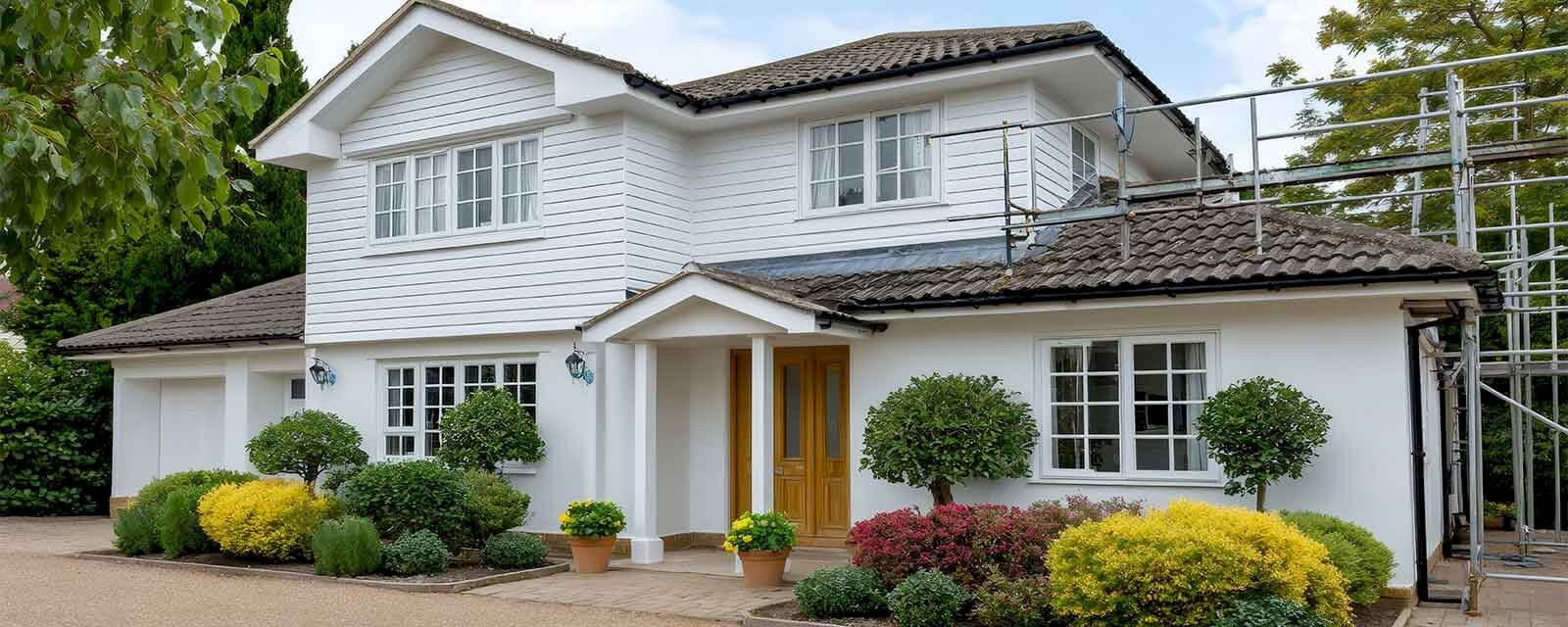
In most cases, any renovation that alters the exterior appearance of a building (roof, facade, extension, windows) requires a municipal authorization. Cities often require a detailed file, accompanied by architect plans. In rural areas, some municipalities are more lenient, but a permit is generally still required.
In Switzerland, the Land Use Planning Act (LAT) distinguishes between building zones and agricultural zones. In agricultural zones, transformations of existing buildings are governed by very strict rules: only certain renovations aimed at maintaining agricultural or heritage use are accepted. In urban areas, renovations are allowed but subject to aesthetic and density constraints.
Whether in historic centers or alpine villages, built heritage is strongly protected. Any renovation must integrate into the landscape and respect traditional materials (stone, wood, local tiles). In urban areas, this mainly concerns listed buildings, while in rural areas, it involves farms, chalets, and old barns.
In French-speaking Switzerland, many renovations must incorporate high energy standards: efficient insulation, replacement of polluting heating systems, installation of solar panels. These obligations, applicable in both urban and rural areas, aim to reduce the ecological footprint of buildings.
The cost of a project depends on many factors: size of the property, initial condition, chosen materials, technical constraints, location.
| Type of renovation | Average price in urban areas (CHF) | Average price in rural areas (CHF) |
| Interior renovation | 1,500 to 2,500 CHF/m² | 1,200 to 2,000 CHF/m² |
| Facade insulation | 250 to 400 CHF/m² | 200 to 350 CHF/m² |
| Complete roofing | 250 to 450 CHF/m² | 200 to 400 CHF/m² |
| Barn/loft conversion | Rare in the city, high cost (on estimate) | 2,000 to 3,500 CHF/m² |
| House extension | 2,500 to 4,000 CHF/m² | 2,000 to 3,200 CHF/m² |
These prices are orders of magnitude. Each project is unique, a detailed estimate is essential to obtain a realistic assessment.
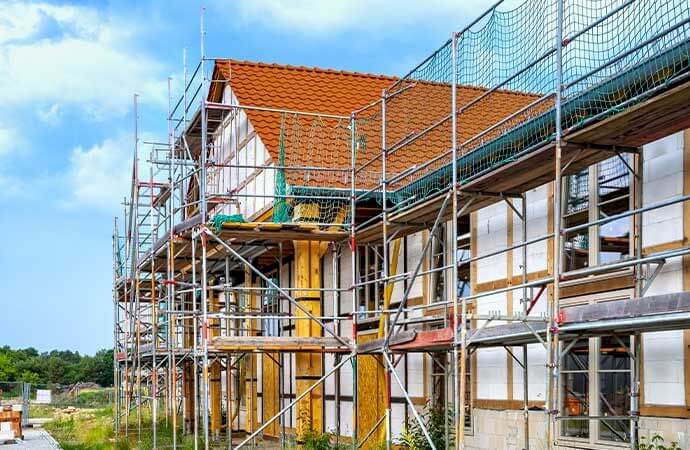
At Avenir Rénovations, we support our clients at every stage, whether the site is located in the city center or in an alpine hamlet.
From study to delivery, we coordinate all trades and manage the administrative part.
Our teams are located in Romandy (Geneva, Vaud, Neuchâtel, Fribourg, Valais, Jura) and know the local specifics.
We handle the preparation of files and procedures with municipalities, for considerable time savings.
Each project is evaluated precisely, with clear quotes and no surprises.
Are you wondering about the differences between renovation in rural and urban areas in Switzerland?
The experts at Avenir Rénovations guide you step by step in your project, taking into account the specific characteristics of each context. Whether you are considering renovating a property located in the countryside or in the city, we support you from reflection to implementation, taking care of all the work to offer you a renovation suited to your environment.
Yes, in most cases, especially if the work modifies the exterior appearance. Municipalities require complete files.
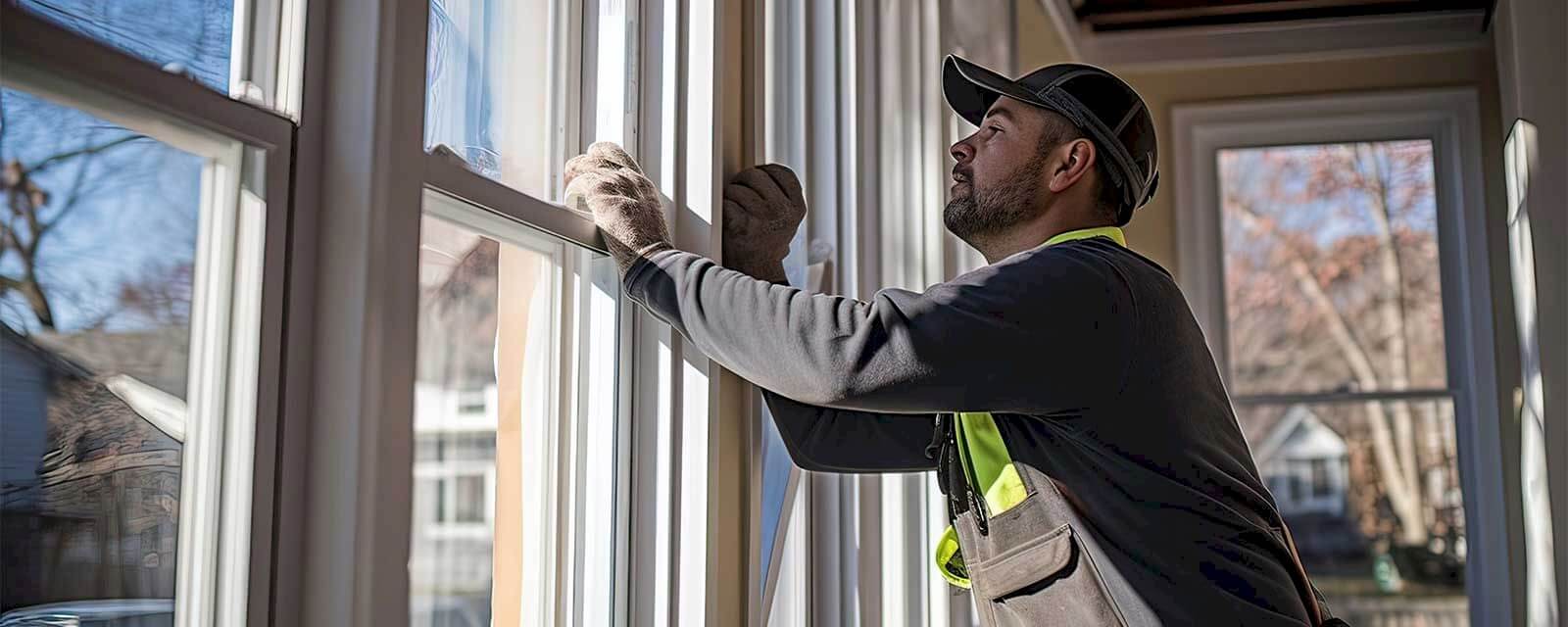
No. In urban centers, even a simple change of windows often requires a permit or the agreement of the co-ownership.
Overall, yes. Labor and material costs are often more affordable, but logistics can offset this difference.
They vary between 2 and 6 months depending on the municipality and the complexity of the project.
Wood, stone, and traditional tiles, often mandated by municipal regulations to preserve heritage.
Yes. Some energy renovations qualify for cantonal or federal subsidies (Building Program, CECB).
Renovating a home in Switzerland, whether in a rural or urban area, involves very different approaches. In the city, regulatory constraints, lack of space, and high costs dominate, while in the countryside, architectural freedom comes with logistical and heritage challenges.
In both cases, professional support is essential to comply with regulations, optimize the budget, and ensure a sustainable result.
With Avenir Rénovations Suisse, you benefit from a reliable partner, present throughout the Romandy region (Geneva, Vaud, Neuchâtel, Fribourg, Valais, Jura). Contact us today for a free and personalized quote.