

Request a free quote
At Avenir Renovations, your quote is made by renovation professionals, it is 100% free and personalized even if we need to visit.
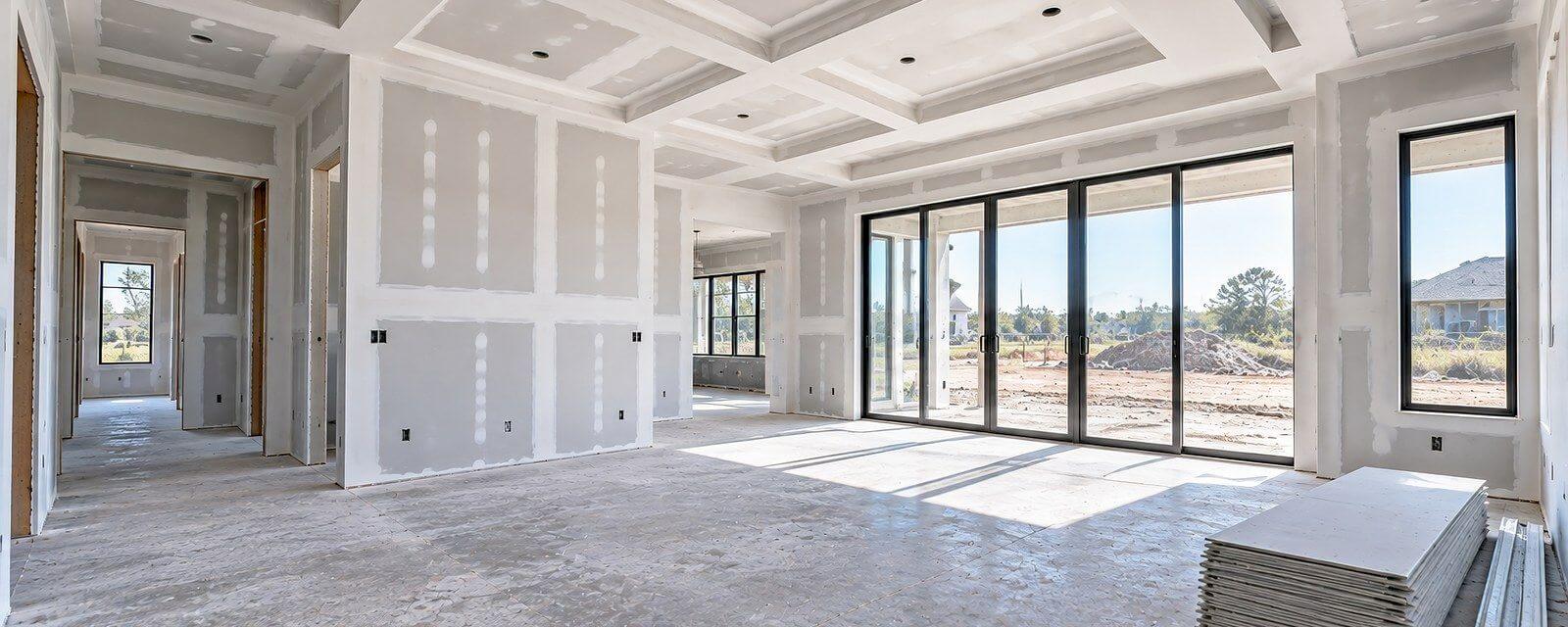
Renovating a house or apartment improves comfort, modernizes equipment, and increases property value. But can you continue to live on-site during the construction?
It all depends on the nature of the work, its duration, and the planned organization. Light renovations are generally compatible with the presence of occupants. For more extensive work, temporary accommodation may be safer and more comfortable.
Light and localized work can often be done without leaving the premises: painting, replacing a floor, installing interior doors, or creating storage.
It is also possible to stay when the work progresses room by room. A bedroom can be renovated while other spaces remain accessible, then serve as a fallback area for the continuation of the work.
Window replacements can also be organized opening by opening, provided that each opening is closed and secured within the day.
To stay on-site, the home must maintain at least:
A complete renovation often makes occupancy difficult. Demolitions, partition modifications, or network replacements cause noise, dust, and numerous passages.
Temporary accommodation is recommended when the work leads to a prolonged interruption of water, electricity, or heating. It may also become essential if the only kitchen or bathroom is unusable for several days.
The presence of young children, elderly people, pets, or occupants sensitive to dust must also be taken into account.
Some interventions require leaving the premises for safety reasons: asbestos removal, special treatment, or significant structural work. The instructions from professionals must then be strictly followed.
A temporary space can be set up with a small refrigerator, a kettle, and a microwave. This solution is suitable for a few days, provided there is a water point and an appropriate electrical installation.
Staying on-site is easier when a second shower is available. Otherwise, an external solution must be planned or the accommodation temporarily vacated.
A precise schedule allows for grouping interruptions and limiting the duration of unavailability of these essential facilities.
The accommodation must be divided into two parts: a living area and a work area. Appropriate protections help limit dust circulation. Furniture, textiles, electronic devices, and fragile items must be moved or protected.
It is also advisable to plan:
Never enter a marked area without permission. Cables, tools, materials, or drying supports may pose a danger.
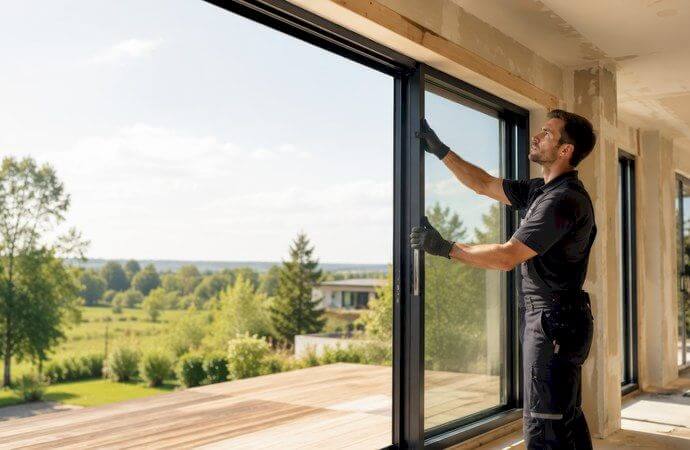
Staying on-site reduces accommodation costs but should not slow down the workers. Here are the points to check before confirming the schedule:
Before work in an old dwelling, the potential presence of pollutants must be checked. In Switzerland, asbestos was used in many materials before its ban in 1990: tile adhesives, floor coverings, plaster, sealants, or panels may contain it.
In a building constructed before 1990, a diagnosis must be carried out when the work is likely to affect asbestos-containing materials. If a danger is identified, the interventions must be entrusted to qualified professionals, and the affected area must not be occupied.
A building permit may also be necessary. The rules vary depending on the canton and municipality, particularly for modifications to facades, structures, volumes, or uses.
Do you want to renovate your house or apartment in Switzerland?
Contact Avenir Renovations to organize your site under the best conditions of comfort and safety.
Living in a property under renovation requires strict organization. The interventions must follow the correct order, and the occupied spaces should remain separate from the risk areas.
With Avenir Renovations Switzerland, you benefit from a single point of contact. Your Project Manager analyzes the constraints of the property, prepares a detailed quote, organizes the schedule, and coordinates the various trades.